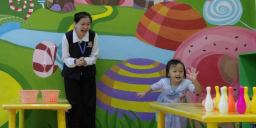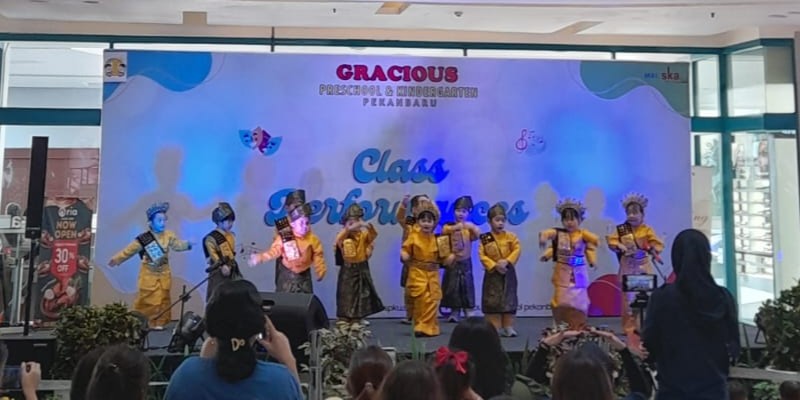
Class performances are more than just entertaining events—they are meaningful learning experiences that support the overall development of young children. For children aged 2–6 years, participating in activities such as drama plays, playing musical instruments, and singing and dancing to traditional songs provides valuable opportunities to grow socially, emotionally, and cognitively.
A Celebration of Learning Through Performance
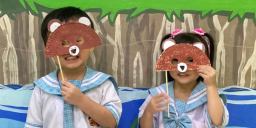
In early childhood settings, each class can explore different types of performances based on their developmental stage and interests. Some children may participate in simple drama plays, expressing stories through role-play and imagination. Others may engage in music performances, experimenting with rhythm and sound using basic instruments. Meanwhile, groups may also sing and dance to traditional songs, introducing children to cultural heritage in a joyful and engaging way.
These performances are not about perfection, but about participation, expression, and confidence.
Building Confidence and Self-Expression
Standing in front of an audience, even for a short time, is a big step for young children. Through class performances, children learn to:
- Express themselves freely
- Build confidence and overcome shyness
- Feel proud of their efforts and achievements
When children are encouraged and supported, they begin to see themselves as capable individuals, which positively impacts their self-esteem.
Developing Social and Communication Skills
Performances often involve group work, which teaches children how to collaborate with others. They learn to:
- Take turns and share roles
- Listen to instructions
- Communicate with peers and teachers
These experiences strengthen their social skills and help them understand the importance of teamwork.
Enhancing Creativity and Imagination
Drama, music, and dance naturally stimulate creativity. Children use their imagination to:
- Act out characters in a story
- Interpret music through movement
- Explore different sounds and rhythms
Creative activities like these encourage flexible thinking and problem-solving, which are essential skills for lifelong learning.
Supporting Language and Cognitive Development
Through singing, storytelling, and role-playing, children are exposed to new vocabulary, sentence structures, and expressions. This helps to:
- Improve language skills
- Strengthen memory and concentration
- Develop listening and comprehension abilities
For example, memorizing simple lines or song lyrics enhances both cognitive and language development in a fun and engaging way.
Introducing Cultural Awareness
Singing and dancing to traditional songs introduces children to cultural values and heritage. At an early age, children begin to:
- Appreciate diversity
- Recognize cultural identity
- Develop respect for traditions
This exposure helps build a sense of belonging and awareness of the world around them.
Encouraging Motor Skills Development
Performances that involve movement, such as dancing or acting, support physical development. Children improve:
- Coordination and balance
- Fine and gross motor skills
- Body awareness
These physical activities are essential for healthy growth and overall development.
Creating Meaningful Memories
Class performances often become special moments not only for children but also for parents and teachers. These experiences create lasting memories that children carry with them as they grow.
More importantly, children learn that learning can be joyful, expressive, and shared with others.
Conclusion
Class performances play a vital role in early childhood education. Through drama, music, and traditional dance, children aged 2–6 develop confidence, creativity, social skills, and cultural awareness in a natural and enjoyable way.
By providing opportunities for children to perform, we are not only nurturing their talents but also supporting their holistic development—preparing them for future learning and life experiences.