Introduction
Every child is unique, and one of the natural differences seen in early development is hand preference. While most children are right-handed, some naturally prefer using their left hand. Being left-handed is not a problem or a limitation—it is simply a natural variation that should be understood and supported, especially during the early years of learning.
What Does It Mean to Be Left-Handed?
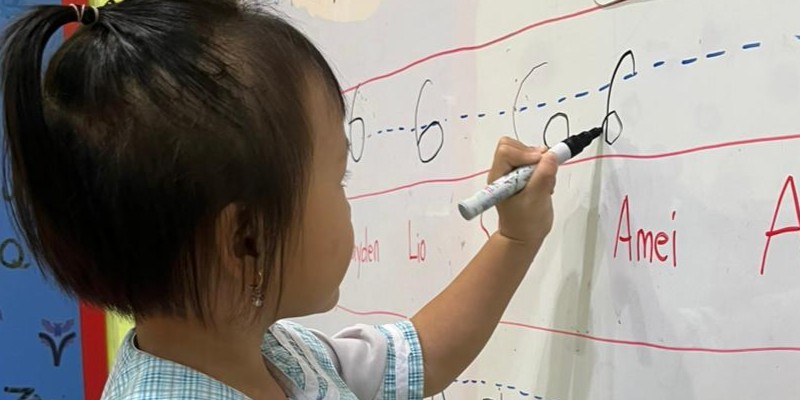
A left-handed child prefers using their left hand for everyday activities such as writing, drawing, eating, and playing. This preference is linked to brain development and how motor skills are controlled.
Left-handedness is completely normal and does not require correction. Each child develops in their own way, and hand preference is part of that natural process.
When Do Children Show Hand Preference?
Children may begin to show a preference for one hand as early as ages 2–3, but it usually becomes more consistent between ages 4–6. Before this stage, it is common for children to switch hands while exploring different skills.
Teachers and parents are encouraged to observe and support rather than influence or force a specific hand preference.
Common Misconceptions About Left-Handed Children
1. Left-handed children are less capable
This is a misconception. Left-handed children have the same abilities and potential as right-handed children.
2. They should be trained to use the right hand
Forcing children to switch hands can lead to confusion, reduced confidence, and difficulties in learning.
3. Left-handedness is a disadvantage
Left-handedness is simply a difference, not a weakness.
Strengths of Left-Handed Children
Every child is different, but left-handed children are often observed to show strengths in:
- Creativity and imagination
- Problem-solving skills
- Adaptability
- Unique ways of thinking
These strengths can be nurtured through supportive learning experiences both at school and at home.
Challenges They May Experience
Since many tools and classroom setups are designed for right-handed individuals, left-handed children may face minor challenges, such as:
- Difficulty using standard scissors
- Smudging while writing
- Adjusting writing position
- Following demonstrations from right-handed teachers
With proper guidance, these challenges can be easily overcome.
How Schools and Parents Can Support
1. Provide Suitable Tools
Use left-handed scissors, pencil grips, and ensure comfortable seating arrangements.
2. Encourage Proper Writing Position
Guide children to position their paper slightly tilted and hold writing tools comfortably.
3. Respect Their Natural Preference
Avoid forcing children to switch hands, as it may affect their confidence and development.
4. Create a Positive Environment
Support, patience, and encouragement help children feel confident and accepted.
5. Work Together
Collaboration between teachers and parents ensures consistent support for the child’s development.
Conclusion
A left-handed child is simply a child with a different preference, not a limitation. With the right understanding and support, they can grow confidently and succeed in all areas of development.
By embracing each child’s uniqueness, schools and families can work together to create an environment where every child feels valued and empowered to reach their full potential.