Introduction
Kindergarten is often a child’s first formal learning experience outside the home. It plays a crucial role in shaping not only academic readiness but also social, emotional, and physical development. Studying in kindergarten is not about pressure or heavy academics—it is about creating a joyful environment where children begin to explore, discover, and develop essential life skills.
What Does Studying in Kindergarten Mean?
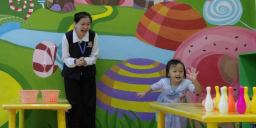
Studying in kindergarten looks very different from traditional classroom learning. Instead of focusing on tests and memorization, children learn through play, exploration, and hands-on activities. Lessons are designed to be engaging and interactive, helping children naturally absorb new knowledge.
Common learning areas include:
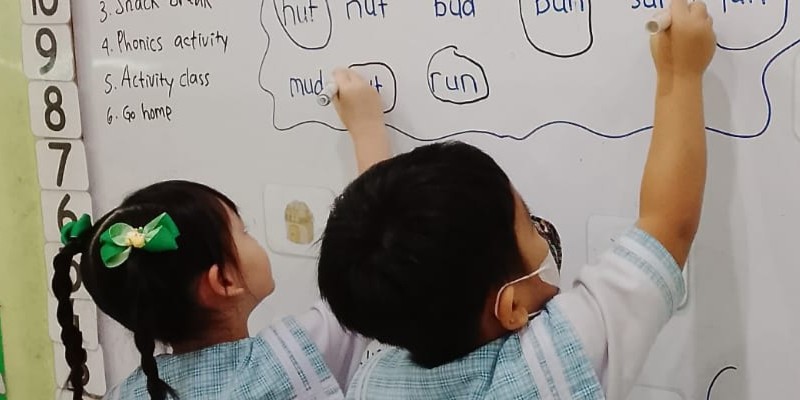
- Basic literacy (letters, sounds, simple words)
- Early math concepts (numbers, counting, patterns)
- Social skills (sharing, cooperation, communication)
- Creativity (art, music, imaginative play)
- Physical development (fine and gross motor skills)
Why Kindergarten Education Matters
1. Builds Early Academic Skills
Kindergarten introduces children to foundational skills in reading, writing, and mathematics. These early experiences help prepare them for primary school and reduce future learning difficulties.
2. Develops Social and Emotional Skills
Children learn how to interact with peers, follow rules, and express their feelings appropriately. They begin to understand empathy, patience, and teamwork—skills that are essential throughout life.
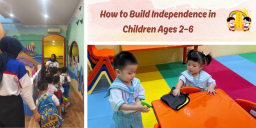
3. Encourages Independence
In kindergarten, children start doing simple tasks on their own, such as organizing their belongings, completing activities, and making small decisions. This builds confidence and responsibility.
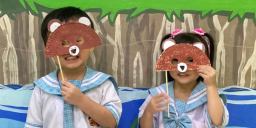
4. Promotes Creativity and Curiosity
Through play-based learning, children are encouraged to ask questions, explore ideas, and think creatively. This helps develop problem-solving skills and a lifelong love of learning.
5. Supports Physical Development
Activities such as drawing, cutting, running, and climbing help strengthen both fine and gross motor skills, which are important for writing and overall coordination.
Learning Through Play
One of the most important aspects of kindergarten is learning through play. Play is not just fun—it is a powerful educational tool. Activities like building blocks, role-playing, and outdoor games help children develop cognitive and social abilities in a natural way.
For example: Building blocks improve problem-solving and spatial awareness Role-playing enhances language and social understanding Outdoor play promotes physical health and teamwork
The Role of Teachers and Parents
Kindergarten teachers play a key role in guiding children through their early learning journey. They create a safe and supportive environment where children feel comfortable exploring and making mistakes.
Parents also play an important role by:
- Encouraging learning at home
- Maintaining communication with teachers
- Supporting routines and positive behavior
- Providing emotional support and encouragement
Tips for Supporting Kindergarten Learning at Home
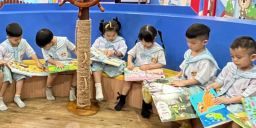
- Read books together every day
- Encourage drawing and creative activities
- Practice simple counting during daily routines
- Allow children to ask questions and explore
- Maintain a consistent daily schedule
Conclusion
Studying in kindergarten is the first step toward a child’s educational journey. It is a time of growth, exploration, and discovery. By focusing on play-based learning and holistic development, kindergarten helps children build the skills and confidence they need for future success in school and in life.