Learning about money is an important part of growing up. While young children may not yet understand complex financial concepts, they can begin learning simple and meaningful habits from an early age—one of them is saving money.
Teaching children to save is not about how much money they can collect. Instead, it is about helping them develop positive habits and values such as responsibility, patience, self-control, and making thoughtful choices.
Why Should Children Learn to Save?
Children are naturally curious about money. They may see their parents paying for things, receiving money, or using it to buy something they want. These everyday experiences can become opportunities to introduce basic financial concepts.
When children learn to save, they begin to understand that money does not always have to be spent immediately. They can learn that they may need to wait and save a little at a time before they can get something they want.
This simple lesson can help children develop patience and delayed gratification, which are valuable skills not only for managing money but also for many other areas of life.
Simple Ways to Teach Children About Saving
Financial education for young children does not need to be complicated. Parents and teachers can introduce the concept through simple activities and everyday situations.
Here are some ways to encourage children to develop a saving habit:
1. Introduce a Simple Saving Routine
Children can be encouraged to put a small amount of money into their savings regularly. The amount does not need to be large. What matters is developing the habit of saving consistently.
2. Help Children Set a Simple Goal
Give children a reason to save. For example, they may want to save for a small toy, a book, or something they have been looking forward to.
Having a simple goal helps children understand why saving is important and makes the experience more meaningful.
3. Teach the Difference Between “Want” and “Need”
Children can gradually learn that some things are needs, while others are things they simply want.
Parents can ask simple questions such as, “Do we need this, or do we just want it?” This encourages children to pause and think before making a choice.
4. Celebrate the Habit, Not Just the Amount
Instead of focusing only on how much money a child has saved, celebrate their effort and consistency.
Simple encouragement such as, “You remembered to save today!” can help children feel proud of developing a positive habit.
Learning Through a School Saving Program
At Gracious Preschool & Kindergarten, we believe that children can begin learning about financial responsibility through meaningful experiences that are appropriate for their age.
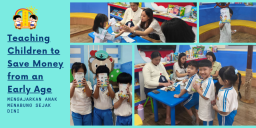
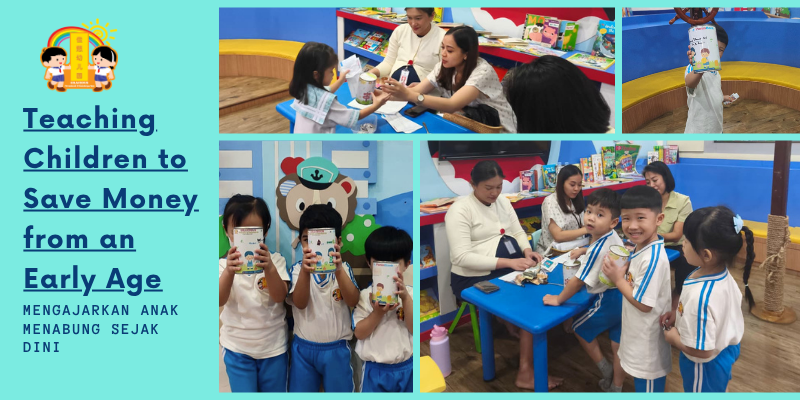
As part of our efforts to introduce children to the habit of saving, our school provides a Simpanan Pelajar (Student Savings) Program in collaboration with Bank Panin.
Through this program, children have the opportunity to become familiar with the simple concept of saving money in a real-life setting. Rather than only learning about money through explanations, children can experience the process of saving as part of their daily learning journey.
The program also provides an opportunity for parents and teachers to work together in building positive financial habits from an early age.
Making Saving a Fun Learning Experience
For young children, learning about money should be simple, positive, and enjoyable. Saving can become an opportunity for children to practise counting, making choices, setting goals, and learning responsibility.
For example, children can be encouraged to think about what they would like to save for and how they can be patient while working toward their goal. These small experiences can help children understand that achieving something they want may require time, effort, and patience.
Saving can also be connected to other areas of learning. Children can practise their Mathematics skills by counting their savings, comparing amounts, and observing how their savings grow over time.
Building Good Habits for the Future
The financial habits children develop when they are young can become a foundation for their future. Teaching children to save does not mean expecting them to understand money management perfectly at a young age. Instead, it means giving them simple opportunities to practise responsible behaviours.
By introducing saving in a positive and age-appropriate way, we can help children gradually learn to:
- Be responsible with money.
- Practise patience and self-control.
- Make thoughtful choices.
- Set simple goals.
- Appreciate the value of money.
- Understand that saving takes time and consistency.
Growing Responsible and Independent Children
At Gracious Preschool & Kindergarten, we believe that learning goes beyond academic skills. Children also need opportunities to develop character, independence, and life skills that will support them as they grow.
Our Simpanan Pelajar Program is one of the ways we can introduce these important values through a simple, real-life experience.
A small amount saved today may seem simple, but the habit behind it can become something much more meaningful: a lesson in responsibility, patience, independence, and planning for the future.
Let's work together to help our children develop positive habits from an early age—because even small steps today can build a stronger foundation for tomorrow.
Start small, save regularly, and grow together! ????????