Introduction
Reading books from a young age plays an important role in a child’s overall development. Introducing books early helps children build language skills, imagination, creativity, and a lifelong love for learning. Whether through storybooks, picture books, or bedtime stories, reading creates meaningful experiences that support both educational and emotional growth.
For young children, reading is not only about learning words—it is also about bonding, communication, and discovering the world around them.
Building Early Language Skills
One of the biggest benefits of reading from an early age is language development. Children who are regularly exposed to books hear more vocabulary, sentence structures, and expressions that help improve their communication skills.
Through reading, children learn:
- New vocabulary words
- Pronunciation and listening skills
- Sentence patterns and storytelling
- Early reading and speaking abilities
The more children hear language through books, the more confident they become in expressing themselves.
Developing Imagination and Creativity
Books allow children to explore new ideas, places, and characters beyond their daily experiences. Stories encourage children to imagine different situations and think creatively.
Reading helps children:
- Develop imagination
- Build creative thinking skills
- Explore emotions and ideas
- Increase curiosity about the world
Picture books and storytelling activities especially help young children engage actively with stories and characters.
Supporting Cognitive Development
Reading also strengthens important cognitive skills in early childhood. Listening to stories encourages children to focus, remember information, and understand sequences of events.
Children begin learning:
- Problem-solving skills
- Critical thinking
- Cause and effect
- Memory and concentration
These skills become an important foundation for future learning.
Strengthening Emotional and Social Development
Stories often teach valuable life lessons and emotions. Through books, children learn about kindness, empathy, friendship, sharing, and understanding different feelings.
Reading together also creates emotional connections between children and adults. Simple activities like bedtime storytelling can help children feel safe, loved, and emotionally supported.
Creating a Love for Learning
Children who enjoy books from a young age are more likely to develop positive attitudes toward learning as they grow older. Reading introduces learning in a fun and enjoyable way rather than as pressure or obligation.
When books become part of a child’s daily routine, children naturally become more curious and eager to explore new knowledge.
Tips for Encouraging Reading Habits at Home
Parents and teachers can help develop children’s interest in reading through simple activities such as:
- Reading together every day
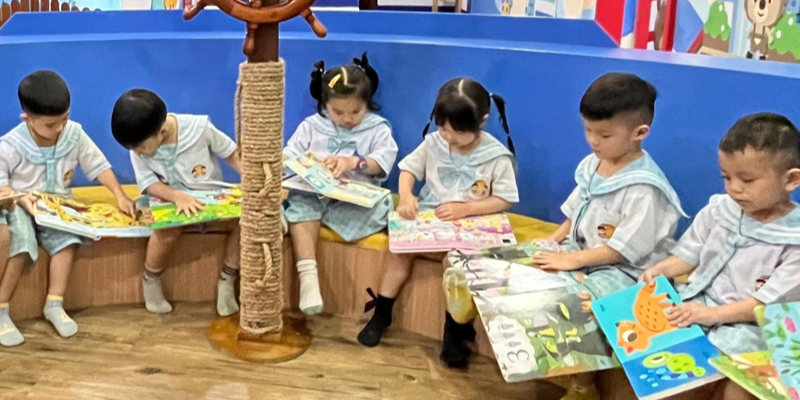
- Creating a cozy reading corner
- Choosing colorful and age-appropriate books
- Allowing children to choose their favorite stories
- Using expressive voices during storytelling
- Limiting excessive screen time and encouraging book exploration
Making reading enjoyable helps children see books as something exciting and comforting.
The Role of Schools and Teachers
Schools and teachers also play an important role in building reading habits. A supportive classroom environment with story sessions, library visits, and interactive reading activities encourages children to enjoy books from an early age.
Teachers can inspire children by:
- Reading stories with enthusiasm
- Encouraging classroom discussions
- Using books during learning activities
- Providing a variety of reading materials
Positive reading experiences at school help children develop confidence and interest in literacy.
Conclusion
Reading books from an early age provides many benefits for children’s language, cognitive, social, and emotional development. More importantly, it helps children develop imagination, curiosity, and a lifelong love for learning.
By working together, parents and teachers can create meaningful reading experiences that support children’s growth and help build strong foundations for their future.