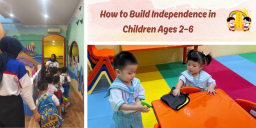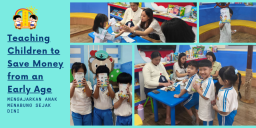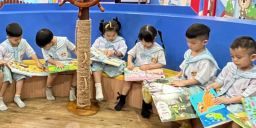
Every child is unique, with their own personality, emotions, and way of interacting with the world. Between the ages of 2 to 6, children go through important stages of character development that shape how they think, feel, and behave.
Understanding your child’s character at each stage helps parents respond with the right approach and support their growth effectively.
Ages 2–3: Exploring Independence
At this stage, children begin to show a strong desire for independence. They often say “no,” want to do things by themselves, and may experience frequent tantrums.
Characteristics:
• Strong curiosity
• Emotional outbursts (tantrums)
• Beginning of independence
• Attachment to routines
Parents can support this stage by offering simple choices and maintaining consistent routines.
Ages 3–4: Social Awareness Begins
Children begin interacting more with peers and learning simple social skills such as sharing and taking turns.
Characteristics:
• Enjoy playing with friends
• Start to understand simple rules
• Express emotions more clearly
• Active imagination
Encouraging cooperative play and gentle guidance helps children build healthy social habits.
Ages 4–5: Building Confidence
At this stage, children become more confident and eager to try new things. They enjoy structured activities and feel proud of their achievements.
Characteristics:
• Increased confidence
• Better communication skills
• Improved emotional control
• Enjoy responsibility in small tasks
Positive reinforcement and encouragement play an important role during this stage.
Ages 5–6: Developing Responsibility and Empathy
Children begin to understand responsibility and show empathy toward others. They can follow instructions more consistently and are more aware of rules.
Characteristics:
• Growing sense of responsibility
• Developing empathy
• Better self-control
• Ability to work in groups
Parents and teachers can nurture this by modeling respectful behavior and giving meaningful responsibilities.
How Parents Can Support Character Development
• Provide consistent routines
• Be a positive role model
• Encourage independence
• Offer praise and encouragement
• Create a safe and loving environment
Conclusion
Character development is a gradual process that requires patience, consistency, and understanding. With proper guidance, children will grow into confident, kind, and responsible individuals.
At our school, we nurture children’s character through meaningful activities, positive interactions, and a supportive learning environment.
Let’s grow together with your child.